Antibodies Helps in Regulating the Immune Response to Fight against Various Disease
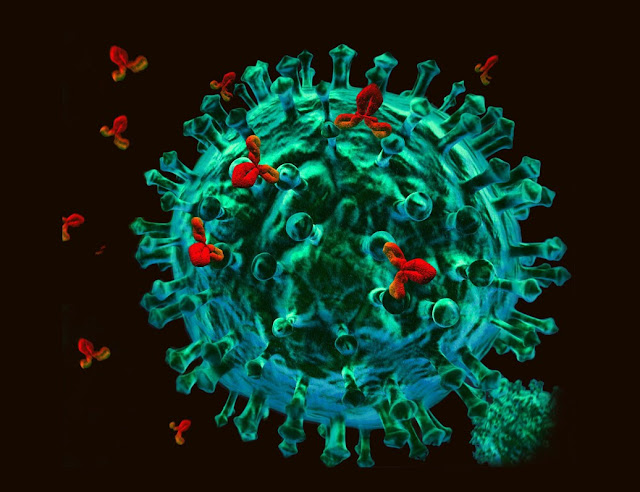
Antibodies are molecules that neutralize other molecules. They are a group of interrelated proteins and sometimes act as part of a complex flagellum, or lipoprotein assembly. The most familiar are the white blood cells (lymphocytes) which attack and kill pathogens in the body. Other antibodies have various functions such as regulating the immune response, enhancing the development of healthy T-cells, fighting infections caused by microorganisms, and assisting the natural killer cells in the body to kill tumors. However, the most common one are usually found in the gastrointestinal tract, where they help prevent infection from gastric contents and other agents that may reach the stomach through the small intestine. An antibody also called a lectin, mescaline, monoclonal, or tumor necrosis factor is a high, flat Y-shaped protein used by the body's immune system to identify and destroy foreign entities including pathogenic viruses and bacteria. The lectin recognizes an unfamiliar ...